
Battle of the Ardennes
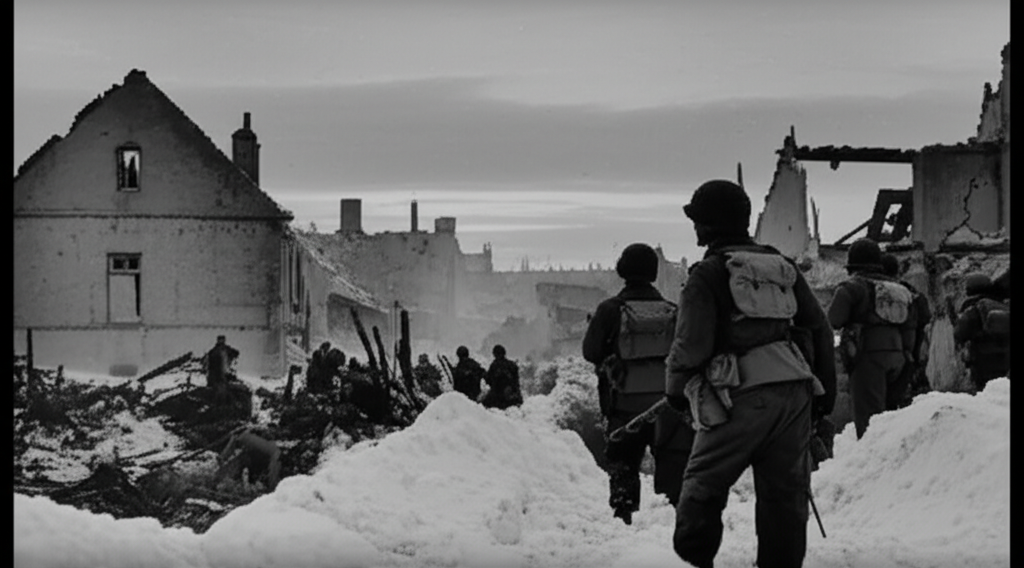
Shared childhood memories of wartime in Heischent, 1944. A deeply personal account of how the war affected daily life in northern Luxembourg, told through the eyes of someone who lived through those dark winter days.
Download the complete transcript of this testimony in your preferred language:
Interviewer [00:00]:
"Can you tell us about your experience during the Battle of the Ardennes? What was it like for a child living in Clervaux during that time?"
Metty Krack [00:15]:
"It was December 1944, and I was just 8 years old. We lived in a small house near the castle in Clervaux. I remember the morning when everything changed - we heard the sound of tanks and artillery in the distance. The German offensive had begun, and our peaceful town became a battlefield overnight."
"The American soldiers had been stationed in our area for months. We children had gotten used to seeing them around town, and they were always kind to us - sharing cigarettes with the adults and chocolate with us children. But when the Germans launched their surprise attack, everything changed so quickly."
Interviewer [02:30]:
"What was it like for the civilian population? How did your family cope during those dark days?"
Metty Krack [02:45]:
"We had to hide in our cellar for days. The sound of fighting was constant - machine guns, artillery, tanks rolling through the cobblestone streets. My mother tried to keep us calm by telling stories and singing lullabies, but we were all terrified. We could hear the battle raging above us."
"The castle in Clervaux was heavily damaged during the fighting. We could see the smoke and flames from our small cellar window. Many families lost their homes, and some of our neighbors didn't survive. The Müller family from down the street - we never saw them again after that terrible week."
Interviewer [05:20]:
"How long did the German occupation of Clervaux last? What do you remember about the liberation?"
Metty Krack [05:35]:
"The Germans held Clervaux for several weeks. It felt like an eternity to us. It was a dark time - food was scarce, and we lived in constant fear. We could hear German soldiers marching through the streets, their boots echoing off the stone buildings."
"But eventually, the American forces returned and liberated us. I'll never forget the joy we felt when we saw those American tanks coming back down the main street. People came out of their hiding places, crying and cheering. My mother hugged me so tight I could barely breathe."
"The Battle of the Bulge, as the Americans called it, left deep scars on our community. But it also showed us the resilience of the human spirit and the true value of freedom. These memories, they stay with you forever. It's important that young people today understand what happened here, in our small villages. War touches everyone, even the children."
The Battle of the Ardennes
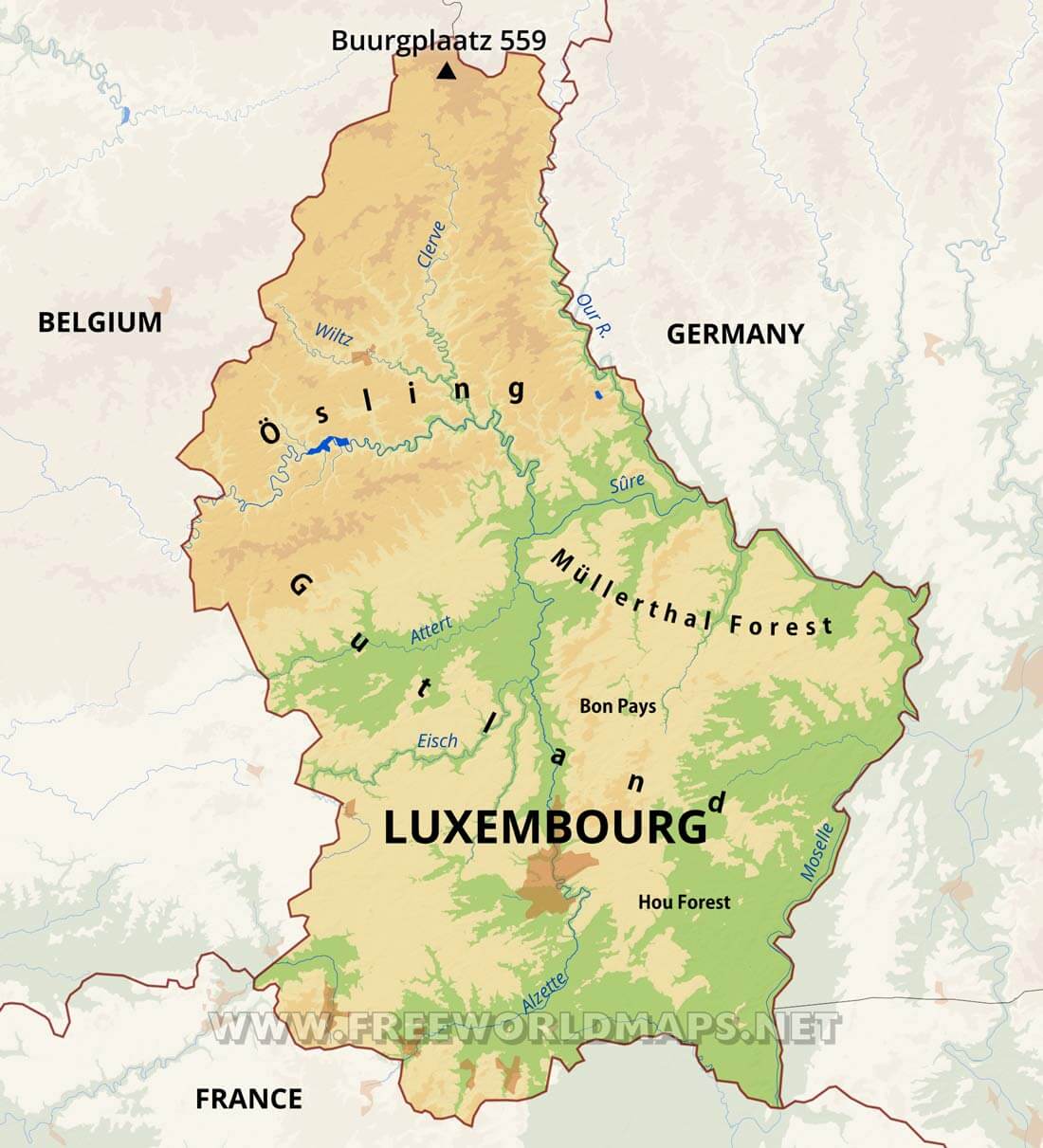
The Battle of the Ardennes (December 16, 1944 – January 25, 1945) was Nazi Germany's last major offensive on the Western Front during World War II. The surprise attack through the Ardennes forest caught Allied forces off guard and resulted in significant fighting throughout northern Luxembourg.
Clervaux, where this testimony was recorded, was one of the key locations during the battle. The town's strategic position and its medieval castle made it an important defensive point for American forces before falling to German troops during the initial offensive.
Impact on Civilians
The civilian population of Luxembourg suffered greatly during the battle. Many families were forced to evacuate their homes, while others, like Metty Krack's family, took shelter in cellars and basements for weeks.
The psychological impact on children was particularly severe, as evidenced by testimonies like this one. Many carried these traumatic memories throughout their lives, making their accounts invaluable historical documents.
Metty Krack
Born 1936, Clervaux
Age during battle: 8 years old
Metty Krack was just 8 years old during the Battle of the Ardennes. She lived through the German occupation of Clervaux with her family and witnessed the liberation by American forces. This testimony was recorded in 1995 as part of the Luxembourg War Memory Project.